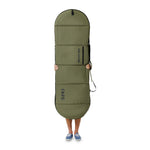


Traveling with a longboard requires more planning than most surfers expect. Whether you are flying internationally or driving long distances to a surf destination, protecting your board is essential. If you are searching for how to travel with 9 ft surfboard, the key lies in choosing the right equipment, understanding airline requirements, and using proper protection strategies.
Before diving into logistics, it is important to invest in reliable protection gear. High-quality equipment from trusted brands like FARO surfboard protection specialists ensures your longboard is shielded from impact, pressure damage, and handling stress during travel. A well-protected board not only survives the journey but performs better when you reach your destination.
This guide breaks down everything you need to know about transporting a 9ft surfboard safely, including airline rules, packing strategies, and essential longboard travel tips.
Understanding How to Travel with 9 ft Surfboard
The first step in learning how to travel with 9 ft surfboard is understanding the size and vulnerability of longboards. At nine feet, surfboards require special handling due to their length, weight distribution, and delicate construction.
Unlike shorter boards, 9ft longboards are more susceptible to pressure cracks and edge damage during transport. This means proper packing and protection are critical at every stage of the journey.
Airline Surfboard Policy: What You Need to Know
One of the most important aspects of surf travel is understanding airline surfboard policy. Each airline has different rules regarding surfboard length, weight limits, and additional fees.
Most airlines require:
-
Boards to be securely packed in a protective bag
-
Weight limits to be followed strictly
-
Oversized baggage fees to be paid in advance
-
Liability waivers for fragile sporting equipment
Because policies vary, it is essential to check airline surfboard policy details before booking your flight. This helps avoid unexpected charges and ensures smooth check-in at the airport.
Why a Heavy Duty Surfboard Bag Is Essential
A key component of safe travel is using a heavy duty surfboard bag. Standard covers are not enough for airline handling or long-distance travel.
A proper heavy-duty bag provides:
-
Multi-layer foam protection
-
Reinforced stitching for durability
-
Extra padding for nose and tail impact zones
-
Heat and pressure resistance during transit
Without a heavy-duty bag, your board is exposed to baggage handling risks such as drops, stacking pressure, and conveyor belt friction.

Longboard Travel Tips for Stress-Free Surf Trips
Following practical longboard travel tips can significantly reduce the risk of damage and make your journey smoother.
Some essential tips include:
-
Always remove fins before packing
-
Use bubble wrap around high-impact areas
-
Secure the board tightly inside the bag to avoid movement
-
Label your bag as fragile equipment
-
Arrive early at the airport for special baggage handling
These longboard travel tips help ensure your surfboard is handled with care throughout the journey.
Understanding Board Insurance for Surf Travelers
Many surfers overlook board insurance, but it plays a crucial role in protecting your investment. Even with the best equipment, accidents can still happen during transit.
Board insurance typically covers:
-
Damage during airline transport
-
Theft or loss during travel
-
Repair or replacement costs
-
International surf trips protection
For frequent travelers, board insurance adds an extra layer of security and peace of mind.
Choosing the Right 9ft Surfboard Bag
Selecting the right bag is one of the most important decisions for safe surf travel. A properly sized 9ft bag ensures your board is secure without excess movement.
For surfers looking for reliable options, a dedicated 9ft surfboard travel collection offers purpose-built designs with reinforced padding and travel-grade durability.
When choosing a bag, look for:
-
Thick foam padding
-
Reinforced zipper systems
-
Heat-reflective materials
-
Extra storage compartments
-
Airline-compliant sizing
Packing Strategies for Safe Surfboard Travel
Proper packing is just as important as the bag itself. Even the best equipment won’t protect your board if it is not packed correctly.
Effective packing steps include:
-
Wrap your board in a protective sleeve or towel
-
Secure fins separately to avoid pressure points
-
Add extra padding around the nose and tail
-
Fill empty spaces to prevent movement
-
Double-check zipper closure before travel
These steps reduce the risk of damage during long flights or road trips.

Common Mistakes When Traveling with Surfboards
Many surfers make avoidable mistakes when transporting longboards. Understanding these can help protect your equipment.
Common mistakes include:
-
Using undersized bags
-
Ignoring airline surfboard policy requirements
-
Failing to remove fins before packing
-
Not using extra padding for protection
Avoiding these errors ensures a safer and more reliable travel experience.
Exploring Full Surf Travel Gear Options
For frequent travelers, it’s helpful to explore a full range of protective gear beyond just one bag. This ensures consistent protection across different surf conditions and travel scenarios.
You can browse a complete range of protective gear at FARO surf travel gear collection to find bags and accessories designed for durability and performance.
Why Quality Travel Gear Makes a Difference
Investing in high-quality surf travel gear is not just about protection—it’s about confidence. When your board is properly protected, you can focus on your surf trip instead of worrying about damage.
Premium gear reduces stress, improves convenience, and extends the lifespan of your board. For longboard surfers, this is especially important due to the size and value of the equipment.
Final Thoughts on How to Travel with 9 ft Surfboard
Understanding how to travel with 9 ft surfboard is essential for any surfer planning trips with longboards. From airline surfboard policy awareness to using a heavy duty surfboard bag, every step plays a role in ensuring safe transport.
Combining proper packing techniques, longboard travel tips, and board insurance creates a complete protection strategy that minimizes risk and maximizes peace of mind.
To learn more about surfboard protection design and craftsmanship, explore the FARO surfboard protection philosophy. If you need help choosing the right travel setup, you can always contact the FARO surf travel support team for expert assistance.
Frequently Asked Questions