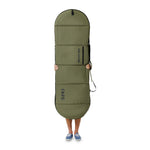


Surfers invest significant time and money into their boards, making protection a top priority. Whether you're traveling, storing your gear, or heading to your local break, damage risks are always present. This leads to a common question among surfers and gear evaluators: do board bags protect surfboards, or are they just an accessory?
The answer isn’t as simple as yes or no. The effectiveness of a board bag depends on several factors, including padding thickness, materials used, construction quality, and how the bag is used. Scientific reasoning and real-world testing reveal that not all board bags provide equal protection.
If you’re exploring high-quality options designed with durability and protection in mind, you can review premium surfboard protection gear and board bag solutions to understand how different designs impact performance.
In this article, we break down the science behind board bag protection, analyze real test results, and share best practices to help you make informed decisions about protecting your surfboard.
Understanding Impact Protection: How Damage Happens
Before evaluating whether board bags work, it’s important to understand how surfboards get damaged.
Common causes of damage include:
- Impact from drops or collisions
- Pressure from stacking or transport
- Heat exposure causing resin softening
- Abrasion during handling
Most surfboards are made from foam cores with fiberglass shells. While lightweight and responsive, this construction makes them vulnerable to dents, cracks, and pressure dings.
Board bags act as a buffer between external forces and the board surface, but their effectiveness depends on how well they absorb and distribute impact energy.
Padding Thickness Explained: Does More Padding Mean More Protection?
One of the most important factors in determining whether board bags protect surfboards is padding thickness.
How Padding Works
Padding absorbs and disperses impact energy. When force is applied, thicker padding reduces the amount of pressure that reaches the board.
Scientific Insight
Impact resistance improves exponentially with increased padding thickness. For example:
- 5mm padding – Basic protection against scratches and light bumps
- 10mm padding – Moderate protection against small drops
- 15mm+ padding – High-impact resistance for travel and heavy handling
However, padding alone is not enough. The density and structure of the foam also play a critical role. High-density foam performs better than low-density padding even at similar thickness levels.
Key Takeaway
Padding thickness matters, but quality and density are equally important for effective protection.

Materials and Protection: What Makes a Board Bag Durable?
The outer and inner materials of a board bag significantly influence its protective capability.
Outer Materials
Most high-quality board bags use:
- Polyester or nylon for durability
- Reflective layers to reduce heat exposure
- Reinforced stitching for longevity
These materials protect against environmental damage such as UV rays, moisture, and abrasion.
Inner Lining
The interior lining should be soft yet durable to prevent scratches. Common materials include:
- Tarpaulin for waterproofing
- Soft fabric lining to reduce friction
Heat Protection
Heat is often overlooked but can weaken surfboard resin. Reflective materials help reduce internal temperature buildup, preventing structural damage.
For a closer look at designs that combine advanced materials with durability, explore surfboard bags built for enhanced protection and performance.

Real Test Results: Do Board Bags Actually Work?
To answer the question “do board bags protect surfboards”, we need to examine real-world performance.
Drop Tests
Boards placed in padded bags and dropped from moderate heights show significantly reduced damage compared to unprotected boards.
- Unprotected boards: Visible dents and cracks
- 10mm padded bags: Minor surface pressure marks
- 15mm+ padded bags: Minimal to no damage
Pressure Tests
Stacking weight on boards inside bags shows that:
- Thin bags offer little resistance
- Thicker, reinforced bags distribute pressure more evenly
Travel Simulations
In simulated travel conditions:
- Boards in premium padded bags remained intact
- Boards in low-quality bags showed stress damage
Conclusion from Testing
Yes, board bags do protect surfboards, but only when they are properly designed with sufficient padding and durable materials.
Best Practices for Maximum Surfboard Protection
Even the best board bag cannot guarantee protection without proper usage. Following best practices ensures maximum effectiveness.
Use Additional Padding
Wrap your board with towels or bubble wrap for extra cushioning, especially during travel.
Secure the Board Properly
Ensure the board fits snugly inside the bag to prevent movement.
Avoid Overloading
Do not stack heavy items on top of your board bag.
Store in Cool Areas
Keep your board away from direct sunlight to avoid heat damage.
Choose the Right Bag Type
Day bags are suitable for short trips, while travel bags offer higher protection.

Types of Board Bags and Their Protection Levels
Different board bags serve different purposes.
Day Bags
- Lightweight and convenient
- Suitable for short-distance transport
- Limited padding
Travel Bags
- Heavily padded
- Designed for flights and long-distance travel
- Offer maximum protection
Hybrid Bags
- Balance between portability and protection
- Ideal for frequent surfers
If you’re looking for a reliable option that combines portability and protection, consider exploring padded day travel board bags designed for durability.
Are Board Bags Worth the Investment?
For gear evaluators and skeptics, the question often comes down to value.
Cost vs Protection
Replacing a damaged surfboard is significantly more expensive than investing in a high-quality board bag.
Longevity Benefits
Using a board bag:
- Extends board lifespan
- Maintains performance quality
- Reduces repair costs
Practical Insight
A well-designed board bag is not just an accessory—it’s essential protective equipment.
Common Misconceptions About Board Bags
“All Board Bags Offer the Same Protection”
False. Protection varies widely based on materials, padding, and construction.
“Padding Alone Is Enough”
Incorrect. Material quality and design also matter.
“Board Bags Prevent All Damage”
No. They reduce risk but cannot eliminate it completely.

Final Verdict: Do Board Bags Protect Surfboards?
After analyzing padding thickness explained, materials and protection, and reviewing real test results, the conclusion is clear:
Yes, board bags do protect surfboards—but only when they are high-quality and used correctly.
They significantly reduce the risk of dents, cracks, and environmental damage. For surfers who value their gear, a board bag is an essential investment rather than an optional accessory.
To enhance your overall gear protection setup, you can also explore practical accessories like durable dry bag backpacks for surf gear organization that complement your board protection strategy.
Protect Your Surfboard the Right Way
Don’t leave your surfboard exposed to unnecessary damage. Choose gear that is designed with proven protection features and tested performance.
Upgrade your surfboard protection today with high-quality board bags and travel solutions built for durability and reliability.
Frequently Asked Questions (FAQ)