

If you’ve ever watched surfers glide effortlessly across waves, you may have wondered how surfing works and what makes it possible to ride moving water. Surfing may look simple from the shoreline, but it’s a unique combination of physics, ocean knowledge, balance, and timing. Understanding how surfing works the first step is toward becoming confident in the water and making the most of every session.
Surfing is not just about standing on a board—it’s about reading waves, understanding how surfboards interact with water, and using body movement to harness the energy of the ocean. Whether you’re completely new to the sport or looking to deepen your understanding, learning the mechanics behind surfing can significantly improve both safety and performance.
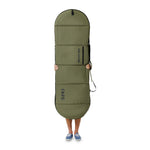
Alongside learning technique and theory, protecting your equipment is equally important. High-quality accessories like those from FARO Board Bags help safeguard surfboards during storage and transport, ensuring your gear stays in peak condition as you continue learning how surfing works.
Understanding the Basics of Surfing
Before stepping into the water, it’s essential to understand the fundamental elements that make surfing possible. At its core, surfing involves using a surfboard to catch and ride waves created by wind energy traveling across the ocean.
The basic principles of surfing rely on:
- Wave energy and momentum
- Surfboard buoyancy and shape
- Balance, timing, and body positioning
Once these elements come together, a surfer can paddle into a wave, stand up, and ride it as it breaks toward the shore.
Anatomy of a Surfboard and Its Role in Surfing
A surfboard’s design directly affects how it moves through water and responds to waves. Each part of the board plays a specific role in stability, speed, and manoeuvrability.
Nose
The nose is the front of the surfboard. Its shape affects paddling efficiency and how easily the board enters a wave.
Deck
The deck is the top surface of the board where the surfer stands. Wax or traction pads are applied here to improve grip.
Rails
Rails are the edges of the surfboard. Their shape influences how smoothly the board turns and holds its line on a wave.
Tail
The tail controls speed and manoeuvrability. Different tail shapes perform better in specific wave conditions.
Fins
Fins are mounted on the bottom of the board and provide control, direction, and stability while riding waves.
Understanding surfboard anatomy helps surfers choose the right board and improve technique as they progress.

Different Types of Surfboards and How They Perform
Surfboards come in a wide range of shapes and sizes; each designed for specific skill levels and wave conditions.
Shortboards
Shortboards are designed for performance surfing. They offer quick turns and responsiveness in powerful waves but require advanced skills.
Longboards
Longboards provide excellent stability and glide, making them ideal for beginners learning how surfing works.
Fish Boards
Fish boards are wider and thicker, offering speed and fun in smaller or softer waves.
Funboards
Funboards blend the features of shortboards and longboards, offering versatility for intermediate surfers.
Choosing the right surfboard depends on experience level, wave type, and personal surfing goals.
How Surfboard Shape Affects Movement
Surfboard shape plays a critical role in how a board interacts with water.
- Length affects glide and wave-catching ability
- Width influences stability
- Volume determines buoyancy and ease of paddling
Higher-volume boards float more easily and are forgiving for beginners. Lower-volume boards provide better control but demand precise technique.
Buoyancy allows the board to float on the water’s surface, enabling surfers to paddle and catch waves efficiently.
Fin Setup and Board Control
Fins help direct the board and reduce sideways slipping.
- Single fins provide smooth, flowing turns
- Multi-fin setups allow sharper, more aggressive manoeuvres
The number and placement of fins affect speed, stability, and responsiveness. Experimenting with fin configurations helps surfers fine-tune their riding style.

Types of Waves and How They Break
Waves are formed by wind energy traveling across the ocean. When waves reach shallow water, they slow down and break, creating rideable surf.
Beach Breaks
Waves break over sand, creating shifting peaks suitable for all skill levels.
Point Breaks
Waves wrap around a fixed point, producing long, peeling rides.
Reef Breaks
Waves break over reefs, producing powerful and fast rides that require experience and caution.
Understanding wave types helps surfers choose appropriate conditions for their skill level.
Wave Selection and Timing
Not every wave is worth riding. Successful surfing depends on choosing the right wave at the right moment.
Surfers assess:
- Wave size and shape
- Speed and direction
- Break consistency
Beginners benefit from smaller, slower waves that allow time to practice balance and control. More experienced surfers seek steeper waves that offer greater speed and manoeuvrability.
How Breaking a Wave Makes Surfing Possible
Surfing happens at the moment a wave begins to break. As the wave steepens, gravity pulls the board down the face while water energy pushes it forward.
Timing is critical:
- Paddle too early and miss the wave’s power
- Paddle too late and get caught in whitewater
By positioning correctly and matching the wave’s speed, surfers harness its energy and transition smoothly into the ride.

Step-by-Step Surfing Technique
Paddling
Paddling builds momentum to match wave speed. A balanced body position and steady strokes are essential.
Popping Up
The pop-up is the movement from lying down to standing. A smooth, controlled pop-up helps maintain balance.
Riding the Wave
Once standing, surfers shift weight, bend knees, and use arms for balance while steering along the wave face.
Each step builds on the last, making practice and repetition key to improvement.
Ocean Safety and Surf Etiquette
Surfing safely requires understanding ocean conditions and respecting others in the water.
Key safety considerations include:
- Recognizing rip currents
- Understanding tides and swell patterns
- Practicing surf etiquette
Preparation and awareness reduce the risk of injury and improve overall enjoyment.
Protecting Your Gear While Learning to Surf
Surfboards are vulnerable to damage during transport and storage. Using protective equipment helps prevent unnecessary wear.
Durable options from the surfboard bag collection provide padding and protection against impacts, sun exposure, and temperature changes—especially important for beginners handling boards frequently.

Why FARO Gear Supports Surfing Progress
Learning how surfing works takes time, patience, and reliable equipment. FARO designs sustainable surfboard bags built to support surfers at every stage of their journey. Their commitment to quality and thoughtful design is rooted in a passion for surfing culture, which you can explore on the FARO brand story page.
Proper gear protection allows surfers to focus on skill development rather than repairs.
Conclusion: Understanding How Surfing Works Sets You Up for Success
Surfing is a dynamic balance of science, skill, and connection with the ocean. Once you understand how surfing works—from wave mechanics to board design and technique—you gain confidence and control in the water.
As you continue learning, protecting your equipment remains essential. Before purchasing or using surf gear, it’s always wise to review product guidelines outlined in the FARO terms of service to ensure long-term satisfaction.
With the right knowledge, preparation, and protection, surfing becomes not just a sport—but a lifelong pursuit.
Frequently Asked Questions About How Surfing Works