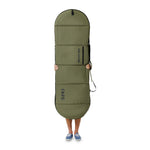


Carrying a surfboard on a bike is one of the most practical and eco-friendly ways to reach your favorite surf spots while avoiding traffic, parking hassles, and unnecessary fuel costs. Whether you are heading out for an early morning surf session or chasing waves during sunset, transporting your board by bike creates a more adventurous and enjoyable surfing experience.
For surfers who value convenience, sustainability, and flexibility, bike surfboard transport has become increasingly popular. The right setup allows you to travel comfortably while protecting your board from scratches, dents, and damage. With high-quality protective gear from premium surfboard travel solutions by FARO, surfers can transport their boards confidently while keeping their equipment safe and secure.
In this complete guide, you will learn everything you need to know about how to carry a surfboard on a bike, including the best surfboard bike racks, safety considerations, transportation methods, and practical tips for protecting your surfboard during every ride.
Why Carrying a Surfboard on a Bike Is Becoming More Popular
Many surfers are looking for alternatives to driving, especially when surf breaks are nearby. Riding a bike with a surfboard offers several advantages beyond convenience.
Eco-Friendly Surf Transportation
Using a bike instead of a car helps reduce carbon emissions and supports a more sustainable lifestyle. Surf culture has always shared a close connection with nature and the ocean, so choosing environmentally friendly transportation aligns perfectly with that mindset.
Avoid Parking Problems
Popular beaches often have crowded parking lots, especially during peak surf conditions. A bike allows you to access surf spots faster without worrying about finding parking spaces or paying expensive parking fees.
Cost-Effective Surfboard Transport
Transporting your surfboard by bike eliminates fuel costs and reduces vehicle wear and tear. It is an affordable solution for surfers who frequently travel short distances to the beach.
Adds Adventure to Your Surf Routine
Biking to the beach creates a more active and enjoyable experience. Many surfers appreciate the freedom of riding along the coast with their board while preparing mentally for the session ahead.

Important Things to Consider Before Carrying a Surfboard on a Bike
Before transporting your surfboard on a bicycle, it is important to evaluate several factors to ensure safety, comfort, and stability.
Choose the Right Bike
Not every bike is equally suited for surfboard transport. Beach cruisers, hybrid bikes, and electric bikes are often better options because they provide improved balance and support.
If you plan to carry larger surfboards regularly, consider a sturdy frame with reliable tires and strong suspension.
Consider the Size of Your Surfboard
The length, thickness, and weight of your surfboard play a major role in determining which transport method will work best.
Shortboards are easier to carry because they are lightweight and compact. Longboards and funboards may require stronger surfboard racks or trailers for improved stability.
Evaluate Your Route
The roads and pathways you use matter significantly. Narrow roads, busy traffic areas, sharp turns, and rough terrain can affect your balance while transporting a surfboard.
Whenever possible, choose bike-friendly routes with less traffic and smoother surfaces.
Focus on Safety and Visibility
A surfboard extends beyond the width of your bicycle, so visibility is important. Avoid crowded areas when possible and ensure your board does not interfere with pedestrians or vehicles.
Always secure your board tightly to prevent sudden movement while riding.
Protect Your Surfboard During Transport
Even small vibrations during transportation can create pressure dings, scratches, or surface damage over time. A quality surfboard bag provides essential protection while improving convenience.
Explore Faros high-performance surfboard bags collection to keep your board protected while biking to the beach.
Best Methods for Carrying a Surfboard on a Bike
There are several reliable ways to transport a surfboard using a bicycle. Choosing the right method depends on your surfboard size, bike type, and travel distance.
Using a Surfboard Bike Rack
A surfboard bike rack is one of the safest and most popular options for carrying a surfboard on a bike.
How Surfboard Bike Racks Work
Bike surfboard racks attach to the side or rear of the bicycle frame. They hold the surfboard securely while allowing the rider to maintain balance and control.
Most surfboard racks use padded arms and adjustable straps to protect the board during transportation.
Benefits of a Surfboard Bike Rack
- Keeps hands free while riding
- Provides improved balance and control
- Works well for shortboards and longboards
- Reduces pressure on the rider
- Allows safer transportation over longer distances
Tips for Using a Surfboard Rack
- Check all straps before every ride
- Avoid overloading the rack
- Ensure the rack is compatible with your bike type
- Position the surfboard fins outward when possible
- Test stability before riding in traffic
Carrying a Surfboard with Bungee Cords and Straps
Some surfers prefer a more affordable and flexible setup using straps or bungee cords.
Advantages of Using Straps
- Budget-friendly solution
- Easy to store and transport
- Adjustable for different surfboard sizes
Challenges of This Method
Although straps can work for short distances, they may not provide the same level of stability as a dedicated surfboard bike rack.
Improperly secured boards can shift during rides, affecting balance and creating safety concerns.
Safety Recommendations
- Use strong, durable straps
- Double-check tension before riding
- Avoid loose cords that can tangle in wheels
- Add padding between the board and bike frame
Using a Surfboard Bike Trailer
For surfers carrying longboards or multiple boards, a surfboard trailer can be an excellent solution.
Why Choose a Surfboard Trailer
Bike trailers attach behind the bicycle and provide additional carrying capacity without affecting handlebar control.
They are ideal for:
- Longboards
- Heavy surfboards
- Extra gear transportation
- Extended beach trips
Benefits of a Bike Trailer
- Greater weight support
- Increased stability
- Less stress on the rider
- Additional storage space
Important Considerations
Trailers require wider turning space and may be harder to maneuver in crowded areas. Practice riding before taking longer trips.

DIY Surfboard Carrying Solutions
Many surfers enjoy creating custom surfboard carriers using PVC pipes, foam padding, or homemade wooden racks.
DIY setups can be effective for casual riders, but safety should always remain the priority.
Tips for Building a DIY Surfboard Rack
- Use weather-resistant materials
- Ensure secure attachment points
- Add foam padding to protect the board
- Test the rack thoroughly before use
A poorly built rack can damage your surfboard or create riding hazards, so durability and stability are essential.
How to Carry a Surfboard on a Motorcycle
Some surfers also transport surfboards using motorcycles or scooters. While this method offers faster transportation, it requires additional precautions.
Motorcycle Surfboard Rack Options
Motorcycle surfboard racks are designed to attach securely to the side of the bike while maintaining proper balance.
Safety Tips for Motorcycle Surfboard Transport
- Keep speeds moderate
- Secure the board tightly
- Avoid strong crosswinds
- Check local traffic regulations
- Ensure visibility for other drivers
Motorcycles can transport surfboards efficiently, but riders should always prioritize stability and safety.
Best Practices for Safe Surfboard Transportation
Transporting a surfboard on a bike becomes easier and safer when you follow proper riding techniques.
Balance Your Weight Properly
An uneven load can affect steering and increase the risk of accidents. Position the board evenly and avoid leaning excessively to one side.
Ride at Controlled Speeds
High speeds reduce stability, especially during turns or windy conditions. Ride at a comfortable pace and stay aware of your surroundings.
Avoid Busy Traffic Areas
Whenever possible, use bike lanes, coastal paths, or quieter roads to reduce stress and improve safety.
Protect the Surfboard Nose and Rails
The nose and rails are especially vulnerable during transportation. Padded surfboard bags help prevent dents and scratches.
Inspect Equipment Regularly
Check straps, racks, and attachments before every ride. Small issues can become serious problems during transportation.
Why a Surfboard Bag Is Essential for Bike Transport
A surfboard bag is one of the most important accessories for surfers who regularly transport their boards.
Protection Against Damage
Surfboard bags help prevent:
- Pressure dings
- Scratches
- UV damage
- Wax transfer
- Rail cracks
Improved Convenience
Many surfboard bags include padded handles, shoulder straps, and lightweight materials that simplify transportation.
Enhanced Durability
A quality surfboard bag extends the lifespan of your board by reducing exposure to environmental damage.
FARO offers a wide range of protective surf accessories and premium surf travel gear designed specifically for active surfers. Browse the complete FARO surf gear collection to find the ideal travel and protection solutions for your next surf adventure.
Common Mistakes to Avoid When Carrying a Surfboard on a Bike
Many surfers make simple mistakes that can lead to discomfort or board damage.
Overloading the Bike
Trying to carry oversized boards on lightweight bicycles can affect balance and increase the risk of accidents.
Ignoring Wind Conditions
Strong winds can push against the surfboard like a sail. Ride carefully during windy conditions and maintain a stable grip.
Using Weak Straps
Cheap or worn-out straps can fail unexpectedly. Always invest in durable equipment designed for surfboard transport.
Skipping Board Protection
Transporting a bare surfboard increases the chance of scratches and dings. Protective bags are highly recommended.
Riding Without Practice
First-time riders should practice in open areas before navigating traffic or crowded streets.
Choosing the Best Surfboard Transport Setup for Your Needs
Every surfer has different transportation needs depending on their equipment, lifestyle, and travel habits.
Best Setup for Shortboards
A side-mounted surfboard bike rack works well for shortboards because it keeps the ride lightweight and manageable.
Best Setup for Longboards
Longboards typically require stronger racks or bike trailers for improved support and stability.
Best Setup for Multiple Boards
Surfers carrying multiple boards should consider bike trailers or custom transport systems.
Best Setup for Urban Surfing
Compact racks and protective surfboard bags are ideal for navigating busy streets and tight spaces.

The Environmental Benefits of Biking to Surf Spots
Sustainability continues to play an important role in modern surf culture.
By replacing short car trips with bike rides, surfers help:
- Reduce fuel consumption
- Lower carbon emissions
- Decrease beach traffic congestion
- Promote healthier lifestyles
- Support eco-conscious habits
Small transportation changes can collectively make a meaningful difference for coastal communities and ocean environments.
How FARO Helps Surfers Travel Smarter
FARO understands the importance of protecting surfboards during daily transportation and long-distance travel.
Designed for durability, convenience, and modern surf lifestyles, FARO surfboard bags provide dependable protection while maintaining a clean and stylish appearance.
Whether you are biking to a nearby surf break, storing your board at home, or preparing for surf travel, FARO products are designed to support surfers who value performance and reliability.
With premium materials, practical features, and multiple sizing options, FARO surfboard bags help reduce wear and tear while improving transport convenience.
Conclusion
Learning how to carry a surfboard on a bike safely can completely transform your surfing routine. It provides an eco-friendly, affordable, and enjoyable way to reach surf spots while reducing traffic stress and transportation costs.
Whether you choose a surfboard bike rack, straps, a custom carrier, or a bike trailer, the key is to prioritize safety, stability, and board protection. Investing in high-quality surfboard bags and transport accessories can significantly improve both convenience and equipment longevity.
FARO offers premium surfboard protection solutions designed for surfers who want reliable performance and long-lasting durability. If you are ready to upgrade your surf travel setup or need help choosing the right surfboard bag, visit the FARO contact page to connect with the team today.
Frequently Asked Questions