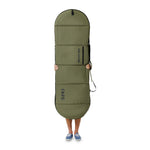


Surfing in warm climates is every surfer’s dream—bright skies, clear water, and endless waves. But while your spirit may thrive in the sunshine, your surfboard doesn’t always feel the same way. Prolonged sun exposure can cause serious damage, from delamination to yellowing and warping. Understanding how to keep your surfboard cool is essential to extending its lifespan and maintaining peak performance.
In this guide, we’ll share practical surfboard heat protection tips and explain how the right gear—like the FARO board bag—helps you protect your board from UV rays, heat buildup, and humidity.
Why Heat is a Hidden Enemy of Your Surfboard
When it comes to surfboard care, many surfers underestimate how much damage heat can cause. Leaving your board in direct sunlight or in a hot car can lead to:
- Delamination – The resin softens, separating the fiberglass from the foam.
- Yellowing – UV rays oxidize the resin, turning your board from white to dull yellow.
- Warping – Extreme heat can distort the shape of your surfboard, affecting its balance and performance.
Your surfboard is designed to handle waves, not heat. That’s why investing in proper storage and sun safety for surfboards is a must—not a luxury.
Understanding UV Surfboard Damage
UV radiation is one of the primary culprits behind surfboard damage. It penetrates the resin layer, breaking down the chemical bonds that hold your board together. Over time, this leads to discoloration, brittleness, and surface cracks.
Using a reflective surfboard bag or a breathable canvas surfboard cover provides a first line of defense. These materials prevent UV rays from penetrating and reflect heat away from your board, keeping it cool even when the temperature rises.
Explore how FARO’s innovative craftsmanship protects boards at FARO Board Bags.

Top Surfboard Heat Protection Tips
When the sun is blazing, you need a plan to shield your surfboard effectively. Here’s a breakdown of proven surfboard heat protection tips that every surfer should follow.
1. Store in the Shade Whenever Possible
Always find a shady spot when taking a break between sessions. If you’re parking near the beach, avoid leaving your board on the roof or inside your car. Even with windows open, interior temperatures can soar past 100°F—enough to damage your board in minutes.
2. Use a Reflective or Insulated Board Bag
A reflective surfboard bag is like sunscreen for your surfboard. It reflects sunlight instead of absorbing it. FARO’s high-quality materials are specifically designed for this purpose—keeping your board cool without trapping moisture.
3. Avoid Wax Meltdown
Heat can cause surfboard wax to melt, creating a sticky mess. Keep a towel or cloth between the waxed surface and your bag liner, or store your board vertically in a ventilated space to allow air circulation.
4. Keep It Off Hot Sand
Placing your surfboard directly on sand can increase its temperature quickly. Use a towel or board rack to elevate it slightly above the ground, reducing heat transfer.
5. Rinse and Dry After Every Session
Saltwater residues can amplify the effects of UV damage. A quick rinse with freshwater followed by drying your board before storing it goes a long way in maintaining its finish.
The FARO Advantage: Designed for Warm Climate Surfers
If you’re surfing in tropical or desert conditions, your board bag isn’t just an accessory—it’s essential gear. FARO bags are designed for warm climate surfers who demand durability, style, and superior sun protection.
Each bag is built from breathable canvas that prevents heat buildup and moisture trapping. Unlike plastic or synthetic materials, canvas allows air to flow freely—helping your board stay at ambient temperature even under the sun.
Check out the full range of durable protective options at FARO Board Bags.
How Reflective Bags Protect Against UV Damage
Investing in a reflective surfboard cover is a smart way to extend the life of your board—especially on long beach days or when traveling. While many surf bags claim to reflect heat, FARO designs its bags with a more accurate and realistic construction.
FARO surfboard bags feature reflective linings on the inside, carefully sandwiched between layers of breathable canvas. This internal reflective layer helps reduce heat absorption and limits UV exposure without relying on exterior metallic coatings. By balancing breathability with protection, the design prevents overheating inside the bag while still shielding your board’s foam and resin from long-term sun damage.
To explore surfboard bags built with this unique reflective-lining construction, browse the Surfboard Bags Collection.
Preventing Heat Damage During Travel
When you’re on a surf trip, your board is exposed to fluctuating temperatures—airport tarmacs, car trunks, and hotel balconies. Follow these travel-specific tips to maintain surfboard health:
- Avoid direct sunlight exposure during transfers.
- Unzip your board bag periodically to allow trapped heat to escape.
- Choose bags with thick padding for extra insulation and protection.
- Store boards vertically when resting at a destination to reduce stress on one side.
By combining mindful care and the right protective gear, you’ll extend the life of your surfboard no matter how far your adventures take you.

Why Breathable Canvas is a Game Changer
Traditional surfboard covers made of plastic or synthetic materials can trap moisture. This leads to mold, mildew, and sticky wax surfaces. FARO’s breathable canvas design allows for natural air circulation, helping your board stay fresh and dry.
This is especially useful for surfers who frequently switch between sessions and want a bag that looks great, functions well, and keeps their equipment in top condition.
How to Choose the Right Surfboard Bag
When shopping for a bag, consider:
- Material: Breathable, durable canvas is ideal.
- Padding: Look for 5mm to 10mm padding for daily use.
- Reflective lining: Essential for sun protection.
- Fit: Ensure the bag fits snugly to reduce movement inside.
A well-designed board bag doesn’t just protect—it complements your surfing lifestyle. For more advice on gear selection and maintenance, visit the FARO Blog.
Integrating Smart Habits for Surfboard Longevity
Knowing how to keep your surfboard cool is only part of the equation. Combine smart daily habits—like avoiding long car storage, rinsing regularly, and using breathable protection—to create a complete surfboard care routine.
Simple preventive measures can save you hundreds of dollars in repairs and help your board maintain its pop, shine, and performance longer.
FARO: The Balance of Function and Style
FARO isn’t just about protection—it’s about surf culture, sustainability, and craftsmanship. Each FARO bag is built for surfers who value both function and aesthetic appeal.
Whether you’re riding mellow summer waves or chasing barrels abroad, FARO gear ensures your board stays safe, cool, and ready for action.
Final Thoughts: Protect Your Passion
Your surfboard is more than just gear—it’s an extension of your passion for the ocean. Keeping it safe from UV and heat damage ensures it rides smoothly for years to come.
By following these surfboard heat protection tips and investing in a FARO board bag, you’re not only protecting your equipment but also respecting your craft as a surfer.
Ready to upgrade your surfboard protection?
Browse the complete collection at FARO Board Bags and experience the perfect balance of durability, design, and performance.
Frequently Asked Questions
Keep it in the shade, use a reflective or canvas surfboard bag, and avoid resting it directly on hot sand. FARO’s canvas bags are perfect for maintaining airflow and reducing heat buildup.
Yes. Prolonged UV exposure can cause delamination, yellowing, and weakening of the board’s structure. Using UV-protective gear is essential.
Canvas allows airflow, preventing moisture buildup and overheating. Plastic covers can trap heat and humidity, accelerating board damage.
A reflective, breathable canvas bag with padding—like those from FARO—is best for warm climates. It keeps your board cool and prevents sun-related wear.
Avoid it whenever possible. Car interiors can reach extremely high temperatures. If you must, crack windows, park in shade, and use a reflective cover.