

Surfing is one of the most freeing sports in the world, but it also comes with real physical risk. From minor scrapes to more serious joint injuries, understanding common surfing injuries is the first step toward avoiding them. Whether you're a beginner learning to pop up or a seasoned wave rider chasing bigger sets, knowing what can go wrong — and how to prevent it — will keep you in the water longer and healthier.
In this guide, we'll walk through the most frequent surfing injuries, what causes them, and practical, science-backed ways to prevent surf injuries so you can spend less time recovering and more time riding waves. You can explore more surf safety resources and gear on the FARO Board Bags homepage to see how the right equipment plays a role in injury prevention too.
Lacerations and Bruises: The Most Common Surfing Injury
Lacerations and bruises account for nearly 42% of all acute surfing injuries, making them the single most common surfing injury reported among wave riders. Most of these surf injuries are caused by a surfer's own equipment — a sharp fin slicing through skin, a board rail catching an arm or leg, or a hard wipeout that ends in a collision.
Lacerations from a surfboard or underwater rocks can be deep enough to require stitches, while bruises typically come from getting struck by your board or tumbling in a wipeout. To reduce your risk:
-
Clean and treat any wound promptly to prevent infection.
-
Wear protective gear such as wetsuits and rash guards to minimize cuts and bruising.
-
Keep your fins and board edges in good condition, since damaged gear increases the chance of injury.
Knee Injuries in Surfing
Knee injuries are one of the most common surfing injuries linked to the sport's repetitive, twisting movements. Popping up, pivoting on the board, and absorbing impact all place stress on the knee joint over time.
Surfers commonly experience sprains, strains, or in more serious cases, ligament tears — injuries that can sideline you for weeks or months. To help prevent knee injuries while surfing:
-
Strengthen the muscles surrounding the knee through targeted exercises, both on land and in the water.
-
Build overall lower-body stability to better support your stance on the board.
-
Consider wearing a supportive knee brace, which can help absorb sudden twists or impacts that aggravate existing knee issues.
Ankle Injuries While Surfing
Ankle injuries often occur when surfers attempt advanced maneuvers without a proper warm-up, or when riding challenging conditions with poor foot placement. Uneven pressure on one ankle during a turn or landing can lead to sprains or more serious strain.
A few ways to protect your ankles in the water:
-
Wear supportive footwear such as water shoes or neoprene booties for extra ankle protection.
-
Pay close attention to foot placement, especially when landing maneuvers.
-
Don't ignore minor ankle discomfort — early attention prevents small issues from becoming long-term injuries.

Shoulder Impingement from Paddling
Surfers spend roughly half their session paddling rather than actually riding waves, and that repetitive overhead motion is a leading cause of shoulder impingement. This condition inflames the shoulder joint, causing pain that can range from a dull ache to a sharp, limiting sensation.
Left untreated, shoulder impingement can become chronic and require extensive rehabilitation. To lower your risk:
-
Strengthen your rotator cuff muscles with targeted exercises.
-
Focus on maintaining proper paddling technique rather than relying on shoulder strength alone.
-
Take breaks during long sessions to avoid overuse.
Hip Flexor Strain
A hip flexor strain happens when the muscles responsible for lifting your knee toward your body become overstretched or torn. These hip flexor strains are common among surfers who make sudden movements or land awkwardly after a maneuver.
Symptoms range from mild discomfort to sharp pain in the front of the hip or groin. If you experience a hip flexor strain:
-
Rest is essential for proper recovery.
-
Ice packs and anti-inflammatory medication can help manage swelling and pain.
-
Warm up thoroughly before paddling out, and practice landing technique on flat ground first.
Surfing Fractures
A fracture occurs when the force of hitting the water or colliding with your board exceeds what your bones can absorb. The most common fracture sites among surfers are the arms, legs, and ribs.
Fractures are painful, often require significant time away from surfing, and always need professional medical treatment. To reduce your risk of a surfing fracture:
-
Practice proper form and technique when paddling into waves.
-
Avoid overcommitting to maneuvers beyond your skill level, which increases collision risk.
-
Choose surf conditions that match your experience level, especially in crowded lineups.
Surfer's Ear
Surfer's ear is a condition familiar to many long-time wave riders. Caused by repeated exposure to cold water and wind, it leads to bony growths inside the ear canal that can block hearing and cause discomfort.
The good news is that surfer's ear is highly preventable:
-
Wear earplugs designed for water sports to shield your ears from cold and wind exposure.
-
Seek medical attention promptly if you notice ear pain or hearing changes.
-
Early detection allows for much simpler treatment before the condition progresses.

How Surf Injuries Differ From Other Sports Injuries
Surfing injuries are unique because of the environment surfers train and compete in. The ocean brings unpredictable variables — strong currents, sharp reefs, and constantly changing wave size and power — that don't exist in sports played on stable, controlled surfaces.
Surfers also face prolonged exposure to sun and saltwater, contributing to conditions like surfer's ear and skin irritation that athletes in other sports rarely encounter. The repetitive paddling motion places ongoing strain on the shoulders and hips, while the need for constant core engagement and balance can create muscle imbalances not typically seen in land-based sports.
For a deeper look at staying safe and respectful in shared surf conditions, check out our related post on surfing etiquette, which covers how proper lineup behavior helps reduce collision risk for everyone in the water.
Preventative Measures for Surfers
Preventing surf injuries comes down to preparation, awareness, and the right gear. Here are the habits worth building into every session.
Warm up properly. Skipping a warm-up is one of the most common mistakes surfers make. Regular stretching and strengthening exercises help prevent muscle strains and tears, while building core strength, flexibility, and balance improves overall stability on the board.
Know your limits. Overestimating your skill level and attempting advanced maneuvers too soon is a leading cause of avoidable surfing injuries. Progress at a pace that matches your actual ability.
Listen to your body. Pushing through pain or fatigue often turns a minor strain into a long-term overuse injury. Rest when you need to.
Practice good etiquette. Staying aware of other surfers, respecting lineup priority, and following basic surf etiquette reduces the chance of collisions in crowded water.
Maintain your board. Regular inspection and waxing keep your surfboard performing safely, preventing loss of traction that can lead to slips and falls.
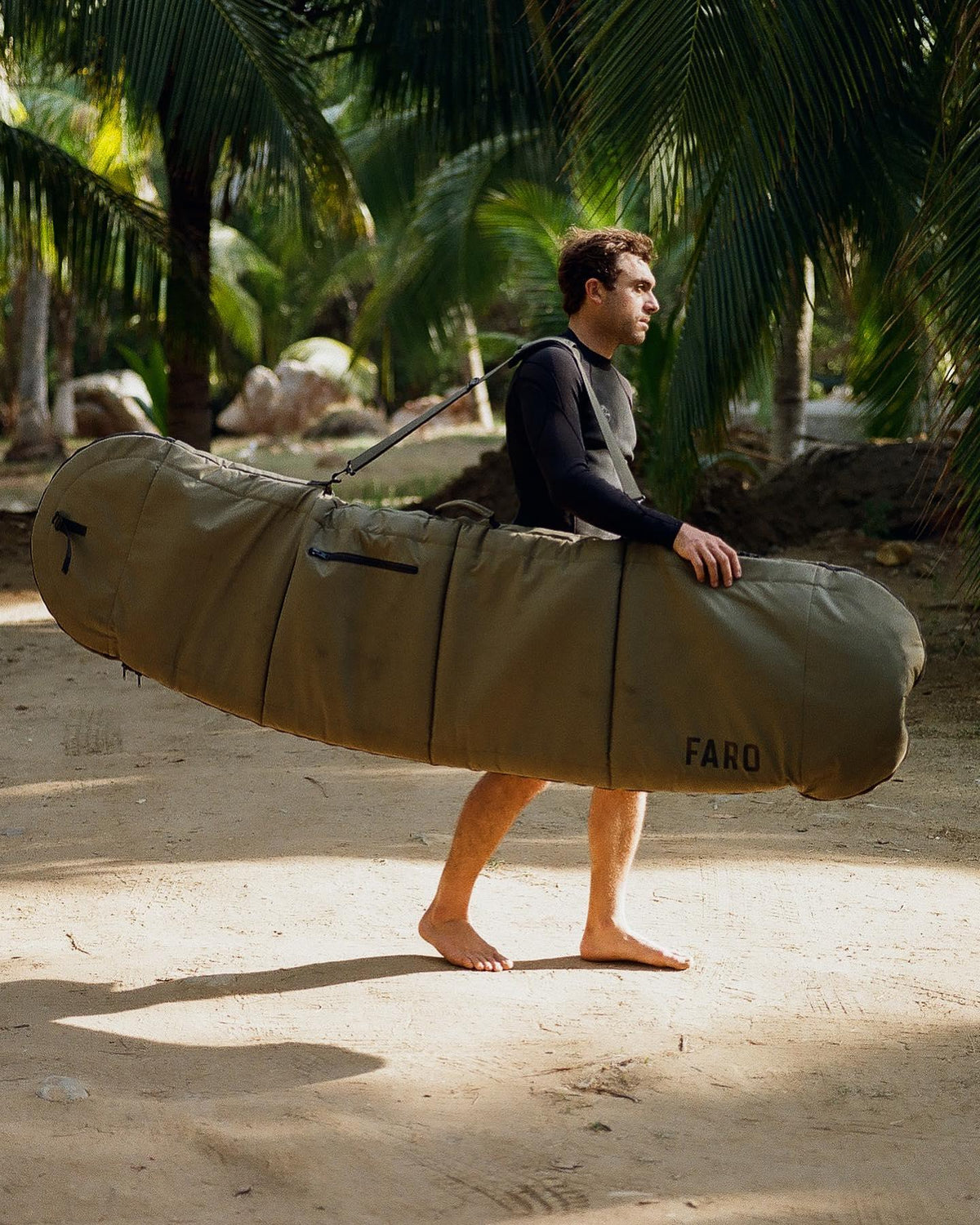
Protect your equipment. A well-maintained board is safer to ride and lasts longer. Investing in quality surfboard bags helps shield your board from dings, pressure damage, and UV exposure during transport and storage — all of which can otherwise create sharp edges or weak points that raise your injury risk. FARO's surfboard bags and board cases are built with durable, eco-friendly materials designed with the surfer's comfort and long-term board protection in mind.
Health Benefits of Surfing
Despite the risks, surfing remains one of the most rewarding sports for both physical and mental health. Some of the top benefits include:
-
Full-Body Workout: Surfing engages the arms, shoulders, core, and legs simultaneously. Paddling, balancing, and maneuvering all require strength and endurance.
-
Cardiovascular Fitness: Continuous paddling and wave riding provide an excellent cardio workout that improves heart health and stamina.
-
Improved Balance and Coordination: Constant adjustment on a moving board sharpens balance and coordination over time.
-
Stress Relief: The rhythm of the ocean and the sensation of riding a wave offer a genuine mental escape and natural stress relief.
Conclusion
Getting injured occasionally is part of the surfing journey, but understanding common surfing injuries and applying the right prevention strategies dramatically lowers your risk. Warm up before every session, respect your skill level, listen to your body, and don't overlook the role your gear plays in staying safe.
Protecting your board is just as important as protecting your body. Explore our full range of surfboard bags built for durability and protection, and learn more about why we build gear the way we do on our About page. Have questions about finding the right fit for your board? Get in touch with our team — we're happy to help you gear up safely for your next session.
Ready to protect your board and yourself? Shop FARO surfboard bags today and paddle out with confidence.
FAQs About Surfing Injuries