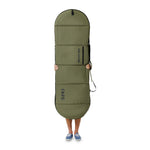


Buying your first surfboard is an exciting milestone, but protecting that investment is just as important as choosing the right board. Whether you're driving to your local beach, storing your board at home, or planning a surf trip, the right surfboard bag helps prevent damage caused by impacts, UV exposure, moisture, and everyday handling. Many beginners focus only on the board itself, only to discover later that even small dings and scratches can affect performance and reduce the board's lifespan.
A quality surfboard bag is more than just a cover. It acts as a protective barrier that keeps your board safe during transport and storage while making it easier to carry your equipment. If you're just getting started, exploring the premium collection available at FARO Board Bags is a great way to understand the different options designed for surfers with varying needs and experience levels.
Choosing between different board bags may seem confusing at first because there are multiple styles, materials, and levels of protection available. Some are designed for daily use, while others are built specifically for long-distance travel or airline transportation. Understanding these differences before making a purchase will help you invest in a bag that matches your surfing habits instead of paying for features you may never use.
Why Every Surfer Needs a Surfboard Bag
Many first-time surfers wonder whether a surfboard bag is really necessary. While it may seem like an optional accessory, experienced surfers know that proper surfboard protection can save hundreds of dollars in repair or replacement costs over time.
Surfboards are lightweight by design, but that also makes them vulnerable to accidental impacts. Simple situations such as loading your board into a vehicle, leaning it against a wall, or carrying it across a parking lot can result in chips, pressure dents, or cracks. Even prolonged sunlight can weaken certain board materials over time.
Using a quality padded surfboard bag minimizes these risks by creating a protective layer between the board and the outside environment. Instead of worrying about every bump during transportation, you can focus on enjoying your surfing sessions.
What Does a Surfboard Bag Do?
A surfboard bag serves several important purposes beyond basic storage.
First, it protects the board from accidental impacts. Foam padding absorbs minor shocks that might otherwise damage the rails, nose, or tail of the board.
Second, it shields the board from harmful UV rays. Continuous sun exposure can discolor surfboards and gradually affect certain construction materials.
Third, it protects against dust, dirt, sand, and moisture during storage. Keeping the board clean reduces unnecessary wear and helps maintain its appearance.
Finally, a surfboard bag makes transportation easier by providing comfortable carrying handles and, in many models, padded shoulder straps.
Different Types of Board Bags
Not every surfer requires the same level of protection. Understanding the most common styles helps you choose the right option.
Day Bags
Day bags are designed for regular trips between home and the beach. They provide moderate padding while remaining lightweight and easy to carry.
These bags are an excellent choice for beginners who surf several times each month and typically travel by car.
Travel Bags
Travel bags provide significantly more protection than standard day bags. They feature thicker padding, reinforced stitching, durable zippers, and additional storage for accessories.
If you frequently travel long distances or fly with your surfboard, travel bags offer greater peace of mind.
Board Socks
Board socks provide basic protection against dust, sunlight, and light scratches. While they are inexpensive and convenient, they do not provide sufficient cushioning for serious transportation or travel.

Choosing the Correct Size
Selecting the correct size is one of the most important buying decisions. A bag that is too small simply won't fit your board, while an oversized bag allows unnecessary movement during transportation.
As a general guideline, your surfboard bag should closely match your board's length. For example:
- 6'0 board → 6'0 bag
-
7'0 board → 7'0 bag
-
8'0 board → 8'0 bag
Some surfers intentionally choose a slightly larger bag when they need additional room for towels, wetsuits, or protective padding, but the fit should still remain secure.
Why Padding Makes a Big Difference
Not all bags offer the same level of protection. Padding thickness plays a major role in determining how well your board stays protected during everyday use.
A quality padded surfboard bag cushions your board against accidental impacts while helping reduce pressure on vulnerable areas like the rails and nose.
Higher-density foam also improves insulation, helping protect the board from excessive heat inside vehicles during warmer days.
Although thicker padding may add a little weight, many surfers find the additional protection well worth it.
Material Quality Matters
The durability of a surfboard bag depends largely on the materials used during construction.
Premium fabrics resist tearing, moisture, and UV exposure better than lower-quality alternatives. Reinforced seams, heavy-duty zippers, and corrosion-resistant hardware all contribute to a longer product lifespan.
Investing in quality materials often reduces replacement costs because the bag remains reliable through years of regular use.
Features Worth Looking For
Modern surfboard cases include many practical features that improve convenience.
Adjustable Shoulder Straps
Comfortable shoulder straps make carrying longer boards much easier, especially when walking to the beach.
Reinforced Carry Handles
Strong handles improve durability and provide better control while transporting your equipment.
Internal Packing Pockets
Many premium board bags now include internal packing pockets that allow surfers to safely organize fins, wax, repair kits, leashes, and other accessories without placing them directly against the board.
Adjustable Length Design
Some travel-oriented models include adjustable length features, allowing one bag to accommodate slightly different board sizes while maintaining a secure fit.
Durable Exterior Fabrics
Long-lasting exterior materials help resist abrasion, moisture, and everyday wear, making them suitable for regular use and extended travel.
If you're comparing different options, browsing the FARO Surfboard Bag Collection allows you to evaluate different sizes, designs, and protection levels before deciding which model best fits your surfing needs.
Common Mistakes First-Time Buyers Make
Many beginners purchase the least expensive bag without considering long-term value. While budget options may appear attractive initially, insufficient padding or lower-quality materials often result in earlier replacement.
Another common mistake is ignoring how the board will actually be used. Someone who surfs locally every weekend has different requirements than someone preparing for international surf travel.
Taking a little extra time to compare materials, construction quality, storage features, and overall protection will help you make a smarter investment that benefits you for years.

How to Match a Surfboard Bag to Your Surfing Style
Your surfing habits should influence the type of bag you buy. Someone who surfs every weekend at nearby beaches may only need a durable day bag with moderate padding. On the other hand, surfers who frequently travel or take multiple boards on surf trips should invest in a bag that offers higher levels of surfboard protection and additional storage.
If your board spends long hours in the car, look for materials that help reflect heat and reduce UV exposure. If you often walk long distances to the beach, comfortable shoulder straps and balanced weight distribution become equally important.
Why Surfboard Protection Is Worth the Investment
A surfboard is designed to perform in challenging ocean conditions, but it can still be damaged during transportation and storage. Small impacts that seem insignificant can eventually lead to cracks, pressure dents, or water intrusion.
Using reliable surfboard cases helps protect your investment from everyday wear while reducing the likelihood of costly repairs. Good protection also helps preserve your board's appearance, making it easier to maintain its resale value if you decide to upgrade in the future.
Travel Tips for Protecting Your Surfboard
Traveling with a surfboard requires additional preparation. Even a high-quality padded surfboard bag works best when combined with smart packing techniques.
Before traveling:
-
Remove the fins whenever possible.
-
Add extra padding around the nose and tail.
-
Keep wax and repair tools in separate compartments.
-
Secure loose accessories so they do not move inside the bag.
-
Check zippers and handles before every trip.
These simple precautions help minimize unnecessary stress on your equipment during transport.
How to Store Your Surfboard Properly
Storage is just as important as transportation. Leaving a board exposed to direct sunlight, excessive heat, or moisture can gradually reduce its lifespan.
Whenever possible:
-
Store the board inside its surfboard bag.
-
Keep it in a cool, dry location.
-
Avoid placing heavy objects on top of it.
-
Rinse the bag occasionally if it has been exposed to saltwater and sand.
-
Allow both the board and bag to dry before long-term storage.
Proper storage habits help extend the life of both your board and your bag.
Caring for Your Surfboard Bag
Taking care of your bag ensures it continues protecting your equipment for years.
After each surf trip, shake out sand and debris that may have collected inside. If necessary, wipe the interior and exterior with fresh water and allow the bag to air dry completely before storing it.
Inspect handles, straps, and zippers regularly. Replacing a damaged zipper early is much easier than replacing an entire bag after it fails during transportation.
Quality board bags require very little maintenance, but regular care significantly extends their lifespan.
Features That Add Long-Term Value
Many experienced surfers appreciate features that make everyday use easier. Internal packing pockets keep accessories organized, while adjustable-length designs provide flexibility for different boards. Durable materials resist abrasion from frequent loading and unloading, and reinforced stitching improves overall durability.
Although these features may increase the initial purchase price, they often deliver better value over time by improving convenience and extending the useful life of the bag.
To learn more about the craftsmanship and philosophy behind these products, visit the About FARO page.
Choosing Quality Over Price
Price is naturally an important consideration, but it should not be the only factor. A less expensive bag may save money initially, yet require replacement much sooner if the materials wear out quickly or fail to protect your board adequately.
Instead of focusing only on cost, compare overall construction quality, padding thickness, materials, stitching, storage options, and warranty information. A well-made surfboard bag can continue protecting your equipment through years of regular surfing.

Ready to Protect Your Surfboard?
Choosing the right surfboard bag is one of the smartest investments you can make as a surfer. Whether you're heading to your local break or planning your next surf adventure, the right bag helps keep your board protected, organized, and ready for every session.
Browse the FARO collection to find a bag that fits your board and your surfing style, and if you have questions or need expert guidance, contact the FARO team. They're ready to help you choose the ideal solution for long-lasting surfboard protection.
Frequently Asked Questions (FAQ)