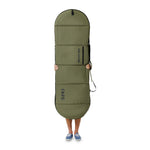


If you’ve ever carried your board down to the shoreline, you know how important protection is. Surfboards are an investment, and one of the easiest ways to keep them safe is by using a high-quality surfboard bag. But what exactly are these bags made of? Why do materials matter? This guide breaks down the fabrics, padding, and construction elements that make surfboard bags durable, protective, and travel-ready. By the end, you’ll know exactly which material suits your surf style, your board, and your travel habits.
Surfboard bags come in a range of fabric types, each offering different levels of durability and protection. If you're exploring reliable, eco-focused options, you can check out the FARO Boardbags Official Website for premium materials and thoughtful design that align with modern surfer needs.
Materials Used in Surfboard Bags
The materials used in surfboard bags vary depending on the level of protection, durability, and purpose of the bag. Here are the most common fabrics and why they matter:
Polyester
Polyester is one of the most popular materials thanks to its durability and water-resistant properties. It offers solid protection against scratches, dings, and light impacts during transport or storage.
Nylon
Nylon is another go-to option. It’s lightweight, strong, and resistant to moisture, making it ideal for surfers who want a tough yet easy-to-carry bag.
Premium Performance Fabrics
Some premium surfboard bags include UV-resistant coatings or water-resistant finishes. These features help shield your board from sun damage and moisture, making the bag last longer while keeping your gear safer. To browse durable, high-performance bags made with these materials, you can explore FARO’s surfboard bags collection, crafted for daily use and long trips.
Tarpaulin
Tarpaulin is a shiny, waterproof, budget-friendly material made from thin woven polyester coated with polyurethane or polyethylene. Although it may seem durable at first, it is not UV resistant, and tends to break down within one to two years under sun exposure.
Each material offers different levels of protection, so your choice should depend on how often you surf, how far you travel, and how much protection your board needs.

Pros and Cons of Different Surfboard Bag Materials
Understanding the benefits and drawbacks of each material will help you choose the best surfboard bag for your adventures.
Polyester Bags
Polyester surfboard bags are popular because they’re affordable, widely available, and naturally resistant to sun exposure. They offer good basic protection against scratches and minor bumps. However, polyester alone doesn’t provide the same level of cushioning as neoprene or foam padding, so it’s better suited for light travel or everyday use.
Tarpaulin Bags: Cons to Consider
While tarpaulin surfboard bags are known for their durability and water resistance, they also come with a few drawbacks. Tarpaulin material can be quite stiff, making the bag less flexible and harder to fold or store when not in use. It’s also prone to becoming brittle over time when regularly exposed to intense sunlight, which may reduce its lifespan compared to softer materials. Additionally, tarpaulin bags can retain heat, potentially causing higher internal temperatures if left out in the sun—something to be mindful of when protecting your board.
Foam-Padded Bags
Foam-padded surfboard bags strike a great balance between weight and protection. They’re lightweight enough to carry easily while still offering strong cushioning to prevent dings and scratches. However, these bags often have limited storage space and may not include extra pockets or compartments.
Nylon Bags
Nylon surfboard bags are known for their exceptional durability and high water resistance, making them ideal for frequent travelers or surfers who want maximum protection. They can handle rough handling and exposure to moisture very well. The trade-off is that nylon bags typically cost more due to the strength and quality of the material.

How to Choose the Right Surfboard Bag
Selecting the right surfboard bag depends on several factors:
- Board Size: The bag should fit your board snugly.
- Material: Choose nylon or polyester for durability, neoprene for impact protection, or foam for lightweight cushioning.
- Extra Features: Look for UV resistance, water resistance, and padded straps.
- Design & Style: Pick the look and features that match your surfing lifestyle.
If you want to elevate your gear setup, FARO also offers surf essentials, accessories, and protective equipment curated in their shop all surf products collection.
Top Surfboard Bag Brands
Several surfboard bag brands are known for their quality, design, and reliability:
- FARO: Known for durable, sustainable materials and thoughtfully engineered surfboard bags.
- FCS: Offers innovative designs for various board shapes and travel needs.
- Creatures of Leisure: Each brand offers unique strengths, so consider what features matter most to you.
How to Care for Your Surfboard Bag
Caring for your surfboard bag is essential to keep it protective and long-lasting. After each surf session, rinse away sand and saltwater to prevent abrasion and corrosion. Avoid leaving the bag in direct sunlight for extended periods, as UV exposure can weaken the material over time. When not in use, store it in a cool, dry place to prevent mold or mildew from forming.
Cleaning it occasionally with mild soap and fresh water helps maintain its appearance and durability. Also check the straps, handles, and zippers regularly to ensure they’re working properly. With simple routine maintenance, you can extend the lifespan of both your surfboard bag and your board.

Conclusion
Whether you’re an experienced surfer or just beginning, choosing the right surfboard bag makes a significant difference in protecting your board. Understanding materials like polyester, nylon, foam, neoprene, and tarpaulin can help you choose the best option based on travel habits and your board’s needs. A reliable bag ensures peace of mind during transport and storage. If you need guidance or want help selecting the right model, you can always reach out through FARO’s customer support page for personalized assistance.
FAQ: Surfboard Bag Materials & Choosing the Right One
The best material depends on how you use your board. Nylon offers the highest durability and water resistance, making it great for frequent travelers. Polyester is budget-friendly and sun-resistant, while neoprene and foam padding provide excellent impact protection. Choose based on how often you surf and how much protection you need.
Yes, polyester surfboard bags are durable for everyday use. They handle light impacts, resist sun exposure, and are affordable. However, they don’t offer as much cushioning as neoprene or foam, so they may not be ideal for heavy travel or airline transport.
Nylon bags are extremely tough, water-resistant, and long-lasting. They hold up well against moisture, abrasions, and frequent movement. Although they’re usually more expensive, they offer the highest level of durability for surfers who travel often or handle their boards regularly.
f you travel often or want stronger protection, padded bags made with neoprene or foam are a great choice. Padding absorbs impact and reduces the chances of dings, cracks, and pressure marks. For daily beach trips, lighter materials like polyester or canvas may be enough.
Tarpaulin bags are waterproof and budget-friendly, but they are not UV-resistant. Prolonged sun exposure can cause the material to crack or deteriorate within a few years. They work well short-term, but may not be ideal for long-term outdoor use.