

For those who live by the rhythm of the tides, surfing is more than just a sport; it's a communion with nature, a profound connection to the ocean's raw power and ethereal beauty. Yet, this intimate relationship carries responsibility. While surfers are often the first to witness the ocean's vulnerability – from plastic pollution on remote beaches to declining marine populations – the sport itself, through gear, habits, and presence, can inadvertently contribute to the very challenges facing marine life.
Understanding the environmental impact of surfing is crucial for every wave rider committed to preserving the playgrounds they cherish. Marine conservation is very important.
This comprehensive guide delves into the various ways surfing can affect our oceans and, more importantly, provides actionable strategies for responsible surf travel. From adopting ocean-friendly surfing habits to making conscious choices about gear, we will explore how every surfer can become a proactive guardian of marine life protection and contribute to a healthier, more vibrant aquatic world.
Understanding Surfing's Ecological Footprint
The impact of surfing on marine life is multifaceted, extending beyond just what happens in the water. It encompasses the materials our gear is made from, our behavior on and near the coast, and the broader environmental consequences of our consumption.
Direct Impacts on Coastal Ecosystems
Our presence at surf spots, while often reverent, can still leave a mark.
- Coastal Erosion from Access Paths: Repeated foot traffic to and from popular surf breaks can lead to erosion of dunes and coastal vegetation, destabilizing fragile ecosystems and impacting habitats for coastal birds and other wildlife.
- Localized Pollution from Discarded Gear: Broken leashes, snapped fins, worn-out wax, and single-use plastics from snacks or drinks can end up in the sand and, eventually, the ocean. These items pose entanglement risks to marine animals and degrade into harmful microplastics.
- Human Presence Disturbing Wildlife: At certain breaks, especially those near marine protected areas or sensitive habitats, the sheer number of surfers can disturb nesting seabirds, resting seals, or other marine mammals, altering their natural behaviors.
- Coral Reef Damage: In reef breaks, inexperienced surfers or those who disregard etiquette can accidentally come into contact with delicate coral formations, causing irreversible damage.
Indirect Impacts from Gear Production
The journey of surf gear from raw material to retail shelf has a significant environmental cost.
- Petrochemical Reliance: Traditional surfboards, wetsuits (neoprene), leashes, and wax are primarily derived from petroleum, a non-renewable resource whose extraction and processing contribute to greenhouse gas emissions and pollution.
- Non-Biodegradable Materials: The vast majority of conventional surf gear is designed to last but not to degrade naturally. When it reaches the end of its life, it contributes to overflowing landfills and persistent ocean plastic pollution.
- Manufacturing Waste & Energy: The production processes for surfboards, wetsuits, and other accessories can be energy-intensive and generate considerable waste, including toxic byproducts that can enter waterways.
Chemical Contamination
What we put on our bodies and boards can directly impact the water quality.
- Reef-Harmful Sunscreens: Many conventional sunscreens contain chemicals like oxybenzone and octinoxate, which are known to cause coral bleaching, damage marine algae, and affect the reproductive systems of marine life.
- Surf Wax Residues: As surf wax wears off, small particles can enter the water. If the wax contains petrochemicals or synthetic additives, these can contribute to water pollution.
- Microplastic Shedding: Synthetic fibers in wetsuits, boardshorts, and rashguards can shed microplastics during use and washing, entering the ocean and food chain.
Protecting Marine Life: Key Mitigation Strategies
Fortunately, mitigating our surfing environmental impact is within every surfer's grasp. By adopting responsible surfing practices and making conscious choices, we can transform our passion into a powerful force for ocean conservation.
Choose Ocean-Friendly Surfing Habits
Our daily actions at the beach and in the water have immediate consequences.
- Leave No Trace: This is the golden rule. Whatever you bring to the beach – food wrappers, plastic bottles, broken gear – take it out. Better yet, pick up a few extra pieces of litter that others have left behind. Participate in local beach cleanups.
- Respect Wildlife: Maintain a respectful distance from all marine animals, including seals, dolphins, whales, and seabirds. Never harass or feed wildlife. Be mindful of nesting areas for birds or turtle hatchlings, especially during specific seasons.
- Stay on Marked Paths: Stick to designated beach access points to prevent erosion of dunes and coastal vegetation, which are crucial for maintaining healthy beach ecosystems and providing habitat.
- Minimize Noise & Light Pollution: In sensitive coastal areas, particularly at night, excessive noise or artificial light can disorient or disturb nocturnal marine life.
Opt for Sustainable Surf Gear
Every piece of gear we choose is a vote for the type of industry we want to support.
- Sustainable Materials: Prioritize surfboards made with bio-resins, recycled foam, or natural fibers. Choose wetsuits made from Yulex natural rubber or limestone neoprene. Opt for leashes and fins made from recycled plastics or plant-based materials.
- Eco-Friendly Surf Wax: Use surf wax made from natural, biodegradable ingredients.
- Reef-Safe Sunscreen: Always choose mineral-based sunscreens with non-nano zinc oxide and titanium dioxide to protect coral reefs and marine life.
- Durable & Repairable Gear: Invest in high-quality gear designed to last, and commit to repairing rather than replacing. This significantly reduces waste and the demand for new production. This principle extends to eco-friendly surfboard bags that are built for longevity.
Support Ocean Conservation Initiatives
Beyond individual actions, collective effort amplifies impact.
- Donate & Volunteer: Support reputable marine conservation organizations working to protect habitats, clean oceans, and advocate for stronger environmental policies. Volunteer your time for beach cleanups or monitoring programs.
- Citizen Science: Participate in programs that monitor water quality, marine plastic, or wildlife populations. Your observations can contribute valuable data to scientific research.
- Advocate for Change: Support policies that promote marine protected areas, sustainable fisheries, and stricter regulations on industrial pollution.
Reduce Your Carbon Footprint
Transportation to and from surf spots contributes to greenhouse gas emissions.
- Car-Pooling: Share rides with fellow surfers to reduce the number of vehicles on the road.
- Active Transport: If feasible, bike or walk to your local break.
- Local Sourcing: Support local shapers and surf shops to reduce the transportation footprint of your gear.
To highlight the critical areas for mitigation, consider this breakdown of how surfers can reduce their overall environmental impact:
|
Impact Category |
Primary Mitigation Strategies for Surfers |
Estimated Impact Reduction Potential |
|
Plastic Pollution |
Using reusable items, supporting recycled gear, beach cleanups |
High |
|
Chemical Contamination |
Reef-safe sunscreen, natural wax, avoiding harmful cleaners |
High |
|
Coastal Erosion/Habitat Loss |
Staying on paths, respecting wildlife, supporting conservation |
Medium to High |
|
Resource Depletion (Gear Prod.) |
Choosing sustainable materials (recycled, bio-based), buying durable gear |
High |
|
Carbon Footprint (Transport) |
Car-pooling, active transport, supporting local brands |
Medium |
Source: Adapted from various environmental surfing organizations & sustainability reports, 2023-2024.
This table underscores that while every aspect of our interaction with the ocean has an impact, there are clear, actionable steps that can significantly mitigate these effects.
Conclusion
Every surfer holds a unique bond with the ocean, and with that bond comes a shared responsibility. Understanding the surfing environmental impact and committing to responsible surfing is not just an ideal; it's a necessity for the future of our planet and our sport. By embracing ocean-friendly surfing habits and actively choosing sustainable surfing gear, we become powerful advocates for marine life protection and the health of our coastal ecosystems.
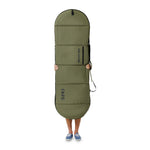
Faro Board Bags is proud to be part of this crucial movement. We believe that protecting your board shouldn't come at the expense of protecting the ocean. Our commitment to eco-friendly surfboard bags and other sustainable surf accessories means we utilize recycled materials and prioritize durability, helping you minimize your ecological footprint without compromising quality or performance. When you choose Faro, you invest in gear that reflects your dedication to the waves and the world.
Ready to make a tangible difference in your surfing journey? Explore Faro Board Bags' collection of sustainable surf gear and join us in riding the wave of responsibility.