
Transporting a surfboard without a roof rack may seem challenging, but with the right techniques, it can be done safely and efficiently. Whether you’re heading out for a quick surf session or planning a longer road trip, knowing how to move your surfboard securely without damaging your board—or your vehicle—is essential.
Many surfers don’t have permanent roof racks, especially those driving smaller cars, rental vehicles, or shared transport. The good news is that there are several reliable alternatives that allow you to transport a surfboard without a rack while keeping it protected and stable. With the right preparation, protective gear, and secure strapping methods, you can confidently get your board from point A to point B.
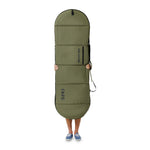
High-quality protection also plays a major role. Using a durable surfboard bag from FARO Board Bags adds an extra layer of safety, reducing the risk of dings, pressure cracks, and exterior damage during transport.
Car Transport Options Based on Surfboard Length
The length of your surfboard largely determines how easily it can fit inside your vehicle. Shortboards and mid-length boards offer more flexibility, while longer boards require creative solutions.
Using the Back Seats for Surfboard Transport
For shorter surfboards, transporting the board inside the car is often the safest option. Folding down the rear seats creates additional space, allowing the surfboard to slide in smoothly. A helpful technique is to recline the front passenger seat fully and load the board through the trunk or rear door.
Always close the trunk gently. Slamming it shut can damage your windshield or put stress on the board. Using a padded surfboard bag helps protect both the vehicle interior and the board during transport.
Placing a Surfboard in the Trunk
Some vehicles can accommodate shorter boards entirely in the trunk. This method works best when paired with padding such as towels, blankets, or a canvas surfboard bag. The key is preventing movement while driving, as sliding boards can cause pressure damage.
Canvas surfboard bags are especially useful here, as they provide light padding without adding unnecessary bulk.
Transporting a Surfboard Using Soft Roof Racks
If interior transport isn’t an option, soft roof racks offer a practical and affordable alternative. Soft racks consist of padded bars that strap directly to your car’s roof through the doors, creating a temporary rack system.
Soft racks are ideal for occasional use and can be installed and removed quickly. They provide a stable base while protecting your car’s roof and the surfboard. When combined with a padded surfboard bag, soft racks become a reliable transport solution for most vehicles.
Using Tie-Down Straps Without a Roof Rack
Another effective method is using tie-down straps alone. This approach requires careful setup but works well for short trips.
To do this correctly, open all car doors and place your surfboard—inside a protective bag—on the roof. Run two tie-down straps over the board: one near the front and one near the tail. Feed the straps through the open doors and tighten them evenly.
Using a surfboard bag is critical here. It protects the board from scratches and prevents strap friction from damaging the deck or rails.

Protecting Your Board with Padding and Pool Noodles
Extra padding adds peace of mind when transporting a surfboard without a rack. Pool noodles are a popular DIY solution that acts as a soft buffer between the board and your car.
Cut the noodles to match the width of your roof and place them evenly spaced. Set the surfboard on top, then secure it using tie-down straps. This method works well for short distances and casual trips, especially when paired with a quality board bag.
Using a Trailer Hitch Rack for Surfboard Transport
A trailer hitch rack is an innovative option for vehicles equipped with a hitch. This system positions the surfboard behind the car, reducing roof contact and wind resistance.
Hitch racks are easy to install and can carry multiple boards, making them a solid choice for surfers who frequently travel with friends or extra gear. Proper strapping and padding are essential to prevent movement during transit.
Transporting Surfboards with a Tow-Behind Trailer
Tow-behind trailers offer the most space and flexibility when transporting multiple surfboards. They’re ideal for longboards, multiple boards, or surf trips involving additional equipment.
Boards should be secured with high-quality straps and padded thoroughly. While towing, remember that braking distance and handling change, so cautious driving is essential for safe transport.
Why Using a Surfboard Bag Is Essential
No matter which transport method you choose, a surfboard bag is one of the most important pieces of gear you can own. Surfboard bags protect against impact, sun exposure, dirt, and strap pressure.
If you’re choosing a bag for transport, browse the surfboard bag collection to find options designed for daily use, travel, and long-term durability. The right bag significantly reduces damage risk when transporting your board without a roof rack.
Choosing the Right Vehicle for Surfboard Transport
Vehicle selection matters when transporting a surfboard without a rack. SUVs, vans, and hatchbacks with foldable seats offer the most flexibility. Regardless of vehicle type, ensure the board does not obstruct the driver’s visibility or interfere with safe operation.
Always secure the board firmly and keep it from shifting during turns or sudden stops.
The Role of Quality Design in Surfboard Protection
Beyond fit and padding, the craftsmanship of a surfboard bag directly affects how well it protects your board. Reinforced stitching, durable fabrics, and thoughtful design details all contribute to better performance.
To understand the values and design approach behind premium surf gear, explore the FARO brand story and learn how quality materials enhance long-term board protection.

Learn More About Surfboard Travel and Care
Transporting your surfboard safely is just one part of responsible surfboard ownership. Learning proper storage, travel techniques, and maintenance practices helps extend the life of your board.
For expert insights and helpful surf guides, visit the FARO surf journal for in-depth articles on gear care and surf travel tips.
Conclusion: Transport Your Surfboard with Confidence
Transporting a surfboard without a roof rack doesn’t have to be stressful. With the right techniques, proper padding, and secure strapping, you can safely move your board without compromising its condition.
Investing in high-quality protective gear makes a noticeable difference. Explore durable surf accessories and premium board protection in the complete FARO product collection.
Frequently Asked Questions About Transporting a Surfboard Without a Roof Rack