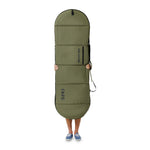


Choosing the right surfboard bag is one of the most important decisions for any beginner longboard surfer. Many riders underestimate how much damage can occur during transport, storage, and everyday handling. If you’ve ever asked yourself do I need 8 ft surfboard bag, you’re already on the right track to protecting your board and extending its lifespan.
Before diving into sizing and protection details, it’s worth understanding how proper surfboard gear impacts performance and durability. Quality protective gear from trusted brands like FARO board protection specialists helps prevent dings, UV damage, and pressure cracks that can permanently affect your board’s structure.
This guide breaks down everything you need to know about 8ft surfboard bags, including sizing, protection levels, and whether a minimal or padded option is best for your surfing lifestyle.
Understanding If You Need an 8ft Surfboard Bag
The most common question beginners ask is do I need 8 ft surfboard bag, especially when transitioning from shorter boards to longboards. The answer depends on your board length, storage habits, and how often you travel with your equipment.
An 8ft surfboard bag is typically designed for mid-length boards and compact longboards. If your board is close to this size or slightly shorter, this bag offers a snug, protective fit without excess movement inside the bag. A tight fit is important because it reduces shifting during transport, which directly lowers the risk of pressure damage.
If your board is longer, you may need to consider sizing up, but for many beginners, an 8ft option strikes the perfect balance between protection and portability.
Why Surfboard Protection Matters More Than You Think
Many new surfers assume minor dings are harmless, but even small impacts can weaken foam cores and affect board performance over time. Proper board damage prevention is essential if you want your surfboard to last longer and maintain its responsiveness in the water.
Without proper protection, boards are exposed to:
-
Heat damage from sun exposure
-
Pressure dents during transport
-
Scratches from car racks or storage surfaces
-
Water seepage from small cracks
This is where high-quality foam padding surf bags become essential. These bags act as a buffer layer between your board and external impacts, significantly reducing the risk of structural damage.
Longboard Bag Sizing Explained for Beginners
Understanding longboard bag sizing is crucial when selecting the right fit. Unlike shortboards, longboards require more precise measurements because even small sizing mismatches can lead to stress points or movement inside the bag.
A well-fitted bag should:
-
Match your board length closely
-
Allow enough width for fins (if not removed)
-
Provide extra padding around nose and tail areas
-
Avoid excessive slack inside the bag
Beginners often make the mistake of choosing oversized bags thinking “bigger is safer,” but too much space actually increases internal movement, which can lead to damage.
Choosing Between Minimal and Padded Surfboard Bags
One of the biggest decisions surfers face is whether to choose a lightweight cover or a heavily padded option. Both serve different purposes depending on your surfing habits.
Minimal bags are ideal for short transport, such as carrying your board from home to a nearby surf spot. They offer convenience and lightweight portability but limited impact protection.
On the other hand, padded bags—especially those with reinforced foam layers—are designed for serious board damage prevention. They are ideal for travel, storage, and protecting boards during long-term use.
Many surfers choose padded foam padding surf bags because they provide a balance of durability and usability without making transport too heavy or complicated.
When an 8ft Surfboard Bag Is the Right Choice
So, returning to the question do I need 8 ft surfboard bag, the answer becomes clearer when you consider usage patterns.
You likely need an 8ft bag if:
-
Your board is between 7’4” and 8’2”
-
You frequently transport your board in a vehicle
-
You store your board in shared or tight spaces
-
You want long-term protection against wear and tear
An 8ft bag offers a sweet spot for beginner longboard surfers who want reliable protection without unnecessary bulk.
For surfers looking to explore different sizing and protection levels, browsing a dedicated 8ft surfboard protection range can help you compare materials, padding levels, and design features.

Board Storage Tips for Long-Term Protection
Proper board storage tips are just as important as choosing the right surfboard bag. Even the best bag cannot fully protect your board if it is stored incorrectly.
Here are essential storage practices every surfer should follow:
-
Store your board in a cool, shaded area
-
Avoid direct sunlight exposure for long periods
-
Keep your board inside a padded bag when not in use
-
Store horizontally on soft padding or racks
-
Avoid placing heavy objects on top of the board
Good board storage tips not only preserve your surfboard’s structure but also ensure it performs consistently every time you hit the water.
Material Quality and Protection Features to Look For
Not all surfboard bags are created equal. High-quality bags offer reinforced stitching, UV-resistant fabric, and multi-layer foam protection. These features are especially important for longboard surfers who want maximum durability.
When choosing a bag, look for:
-
Thick foam padding for impact resistance
-
Heat-reflective outer layers
-
Strong zippers and reinforced seams
-
Nose and tail reinforcement zones
-
Ventilation features to prevent moisture buildup
These features work together to improve overall board damage prevention, ensuring your surfboard remains in peak condition.
Minimal vs Heavy Protection: What Works Best?
Minimal bags are great for quick trips, but they lack long-term durability. Heavy-duty padded bags are better for surfers who travel frequently or store their boards for extended periods.
If your surfing lifestyle includes regular travel or exposure to different environments, investing in a high-quality padded bag is the smarter long-term decision.
Many surfers upgrade to premium gear after realizing that small dings can lead to expensive repairs. Choosing strong protective equipment early helps avoid unnecessary damage and replacement costs.
Exploring Full Surf Gear Options
If you're building your surf setup beyond just a board bag, it helps to explore complete gear collections that include multiple protection and storage solutions. This ensures consistency in quality and performance across your equipment.
You can browse a full range of protective surf gear at complete FARO surf protection collection to find bags and accessories that match your board type and surfing style.
Why Quality Surfboard Bags Improve Your Surf Experience
Investing in a proper surfboard bag is not just about protection—it’s about improving your overall surfing experience. When your board is well-protected, you spend less time worrying about damage and more time focusing on performance.
High-quality bags also extend the lifespan of your board, reduce maintenance costs, and make transport significantly easier. For beginners, this means fewer repairs and more time in the water building confidence and skill.

Final Thoughts on Do I Need 8 Ft Surfboard Bag
So, do I need 8 ft surfboard bag? If you are a beginner longboard surfer or own a board close to this length, the answer is very likely yes. It provides the right balance between portability and protection while ensuring your board remains safe during transport and storage.
Choosing the right bag is an essential step in protecting your investment and improving your surfing journey. Whether you prioritize lightweight convenience or maximum padding, selecting the right fit will directly impact your board’s longevity.
For more details on surfboard protection philosophy and craftsmanship, explore the FARO brand story and design approach. If you need help choosing the right size or protection level, you can always contact the FARO surf gear team for expert guidance.
Frequently Asked Questions