

Surfboards may look lightweight when gliding across waves, but their actual weight can vary significantly depending on the size, materials, construction, and design. Whether you are a beginner learning to catch your first wave or an experienced surfer looking to improve performance, understanding surfboard weight is extremely important.
The weight of a surfboard directly affects paddling speed, manoeuvrability, stability, wave control, and overall surfing performance. Choosing the wrong board weight can impact how you surf and how comfortable you feel in the water. That is why experienced surfers pay close attention to the weight and construction of every board they ride.
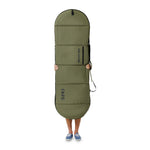
For surfers who want to protect their boards during travel, storage, and transportation, investing in premium surfboard protection gear from FARO is equally important. Proper protection helps maintain your surfboard’s condition while extending its lifespan and preserving performance.
In this complete guide, you will learn how much different surfboards weigh, what factors influence surfboard weight, how to measure your surfboard, and how to choose the right balance between lightweight performance and durability.
Why Surfboard Weight Matters
Surfboard weight plays a major role in how a board performs in the water. Even small differences in weight can affect speed, turning ability, paddling efficiency, and wave control.
Understanding the relationship between board weight and surfing performance allows surfers to choose equipment that matches their skill level and preferred riding style.
Lighter Surfboards Improve Manoeuvrability
Lightweight surfboards are popular among advanced and performance-focused surfers because they provide faster turns, quicker acceleration, and better responsiveness.
A lighter board allows surfers to:
- Generate speed more easily
- Perform sharper turns
- Execute advanced maneuvers
- Respond quickly to changing wave conditions
- Carry the board comfortably
However, extremely lightweight boards can sometimes feel less stable in rough or choppy water.
Heavier Surfboards Offer Better Stability
Heavier surfboards provide improved control and stability, especially for beginners.
A heavier board can:
- Glide smoothly across waves
- Maintain stability while paddling
- Improve balance for new surfers
- Handle windy conditions better
- Offer consistent wave entry
This is why beginner foam boards and longboards are usually heavier than high-performance shortboards.
Surfboard Weight Impacts Paddling
Board weight also affects paddling speed and endurance. A balanced surfboard weight allows surfers to paddle efficiently without excessive fatigue.
If a board feels too heavy, it may slow down paddling and become difficult to carry. If it is too light, it may lack control in larger waves.
Finding the right balance is essential.
What Affects the Weight of a Surfboard?
Several important factors determine how much a surfboard weighs.
Surfboard Materials
The materials used during construction have one of the biggest impacts on overall weight.
Polyurethane Foam Surfboards
Traditional polyurethane foam surfboards are common and widely used. These boards typically use polyester resin and fiberglass construction.
Characteristics include:
- Durable structure
- Traditional surf feels
- Moderate weight
- Smooth wave control
Although durable, polyurethane boards are generally heavier than EPS foam alternatives.

EPS Foam Surfboards
Expanded Polystyrene (EPS) foam boards are significantly lighter.
Benefits include:
- Lightweight construction
- Improved buoyancy
- Faster acceleration
- Easier transportation
EPS surfboards are often paired with epoxy resin for added durability.
Epoxy Resin vs Polyester Resin
The type of resin used during glassing also changes surfboard weight.
Epoxy resin:
- Lighter
- Stronger
- More durable
- More resistant to pressure dents
Polyester resin:
- Heavier
- Traditional feel
- Easier repairs
- Lower cost
The combination of foam core and resin greatly affects the final weight of the board.
Surfboard Dimensions and Size
Larger surfboards naturally weigh more.
Length
Longer surfboards require more foam, fiberglass, and resin, increasing total weight.
Width
Wider boards contain greater surface area and additional volume, making them heavier.
Thickness
Thicker surfboards include more foam and add flotation, contributing to extra weight.
A thick beginner surfboard will usually weigh much more than a thin performance shortboard.
Surfboard Shape and Design
The overall shape of the surfboard also impacts weight distribution and performance.
Shortboards
Shortboards are designed for high-performance surfing and are typically lightweight.
Longboards
Longboards contain significantly more material, making them heavier but more stable.
Fish Surfboards
Fish boards provide a balance between lightweight manoeuvrability and added flotation.
Funboards
Funboards offer versatility and moderate weight, making them ideal for intermediate surfers.
Additional Surfboard Components
Extra accessories and components also contribute to surfboard weight.
These include:
- Surfboard fins
- Traction pads
- Leashes
- Additional fiberglass layers
- Reinforced rails
- Repair patches
While each component may seem minor individually, they collectively affect total board weight.
Average Weight of Different Types of Surfboards
Different surfboard categories have very different weight ranges.
Understanding these averages can help surfers choose the best board for their needs.
Shortboard Weight
Shortboards are lightweight and performance focused.
Average weight:
- Around 6 to 8 pounds
These boards prioritize speed, responsiveness, and aerial maneuvers.
Because of their compact size, shortboards are easier to carry and transport.
Longboard Weight
Longboards are larger and heavier because of their increased foam volume and extended length.
Average weight:
- Around 10 to 15 pounds
Some classic noseriders and traditional longboards may weigh even more.
Their heavier construction provides smoother glide and improved stability.
Fish Surfboard Weight
Fish surfboards are slightly heavier than shortboards but lighter than longboards.
Average weight:
- Around 7 to 10 pounds
Fish boards balance maneuverability with additional speed and flotation.
Foam Beginner Surfboard Weight
Foam beginner boards are among the heaviest surfboards because they are designed for maximum stability and safety.
Average weight:
- Around 12 to 20 pounds
The extra foam volume makes them easier for beginners to paddle and stand on.
Gun Surfboard Weight
Big wave guns are built for stability and strength in powerful surf conditions.
Average weight:
- Around 10 to 15 pounds or more
These boards are reinforced for durability and control in large waves.

How to Measure the Weight of Your Surfboard
Knowing your exact surfboard weight helps you make better equipment decisions.
Check Manufacturer Specifications
Most surfboard brands provide official weight information for each model.
You can usually find this information:
- On the manufacturer’s website
- Inside product descriptions
- Through surfboard retailers
- On specification labels
Use a Bathroom Scale
One of the easiest ways to weigh your surfboard at home is with a bathroom scale.
Simple Method
- Step on the scale without the surfboard
- Record your body weight
- Step on the scale while holding the board
- Subtract your body weight from the combined weight
This provides a quick estimate of your surfboard’s weight.
Visit a Surf Shop
Local surf shops often have accurate scales specifically designed for weighing boards.
Professional measurements can help when comparing different surfboard models.
Why Lightweight Surfboards Are Popular
Many modern surfers prefer lightweight boards because they improve overall performance.
Faster Turning Ability
Light boards respond quickly during turns and transitions.
Easier Air Maneuvers
Advanced surfers performing aerial tricks benefit from reduced board weight.
Improved Travel Convenience
Lighter surfboards are easier to transport, carry, and store.
To safely transport lightweight surfboards while protecting them from dents and scratches, surfers often rely on high-quality surfboard bags and travel covers.
Benefits of Heavier Surfboards
Although lightweight boards are popular, heavier boards also offer several advantages.
Better Stability
Heavier boards feel more stable in rough water and windy conditions.
Smoother Glide
Additional weight helps maintain momentum while riding smaller waves.
Beginner-Friendly Performance
New surfers often feel more comfortable learning on slightly heavier boards.
Increased Durability
Heavier boards usually contain stronger construction materials that resist damage more effectively.
How to Reduce the Weight of Your Surfboard
Some surfers want to reduce board weight for better performance.
Here are practical ways to achieve that.
Choose EPS and Epoxy Construction
EPS foam with epoxy resin provides one of the lightest surfboard combinations available.
This setup offers:
- Better buoyancy
- Reduced carrying weight
- Faster wave response
- Strong durability
Use Lightweight Accessories
Heavy fins, thick traction pads, and bulky leashes increase total board weight.
Choosing lightweight accessories can make a noticeable difference.
Avoid Excessive Repairs
Multiple repair layers add weight over time.
Protecting your board properly helps reduce the need for repairs.
Remove Excess Wax Build-Up
Surf wax can accumulate over time and add unnecessary weight.
Regular cleaning keeps the board lighter and improves traction.

Why Surfboard Bags Are Essential
Protecting your surfboard is just as important as choosing the right weight.
A quality surfboard bag helps prevent damage during:
- Transportation
- Air travel
- Beach trips
- Storage
- Surf adventures
Protection Against Dings and Scratches
Surfboard bags reduce exposure to impacts, UV rays, and pressure damage.
Easier Transportation
Padded handles and shoulder straps improve carrying comfort.
Extended Surfboard Lifespan
Proper protection helps preserve the structure and appearance of the board.
FARO offers durable surfboard protection products designed for surfers who value quality, travel safety, and board longevity. Explore the complete FARO surf gear collection for reliable travel and storage solutions.
Choosing the Right Surfboard Weight for Your Skill Level
Different skill levels benefit from different board weights.
Beginners
Beginner surfers usually perform better with:
- Heavier boards
- Larger foam boards
- Increased stability
- Better flotation
These boards make wave catching easier and improve confidence.
Intermediate Surfers
Intermediate surfers often transition toward lighter and more responsive boards.
A balanced weight helps improve turning ability while maintaining stability.
Advanced Surfers
Experienced surfers typically prefer lightweight high-performance boards.
These boards maximize speed, responsiveness, and manoeuvrability.
Common Surfboard Weight Myths
There are many misconceptions about surfboard weight.
Heavier Boards Are Always Slower
Not necessarily. Heavier boards can maintain momentum well and glide smoothly in smaller waves.
Lightweight Boards Are Always Better
Ultra-light boards may feel unstable in rough surf or windy conditions.
Bigger Boards Are Impossible to Carry
Modern surfboard bags and carrying systems make transporting larger boards much easier.
How Surfboard Weight Affects Surf Travel
Traveling with surfboards requires careful planning.
Heavy boards can:
- Increase airline fees
- Become difficult to transport
- Require stronger protective bags
Using premium surfboard travel bags helps protect your equipment during flights and road trips.
Properly protected boards are less likely to suffer travel damage.
How FARO Helps Protect Surfboards
FARO designs premium surfboard bags and travel gear specifically for surfers who want reliable protection and convenience.
Whether you own a lightweight shortboard, a heavy longboard, or multiple surfboards, FARO products are designed to improve transportation, storage, and travel safety.
Features include:
- Durable materials
- Protective padding
- Multiple board sizes
- Travel-friendly construction
- Comfortable carrying systems
Surfers who invest in quality protection often extend the lifespan of their boards while reducing repair costs.
Conclusion
Understanding how much a surfboard weighs is essential for improving your surfing experience. Surfboard weight affects everything from paddling and maneuverability to stability and travel convenience.
Whether you prefer lightweight shortboards for performance surfing or heavier longboards for smoother rides, choosing the right balance can dramatically improve your comfort and control in the water.
Protecting your board is equally important. Quality surfboard bags help prevent damage during transportation, storage, and travel while preserving your board’s long-term performance.
If you are looking for reliable surfboard protection solutions and premium surf travel gear, visit the FARO contact page to learn more and find the right products for your surfing lifestyle.
Frequently Asked Questions (FAQ)